The 911 Story
Six Decades of Evolution and Innovation
Six Decades of Evolution and Innovation
Since its debut in 1963, the Porsche 911 has evolved through eight generations, each refining the formula while staying true to the original vision of Ferdinand "Butzi" Porsche.
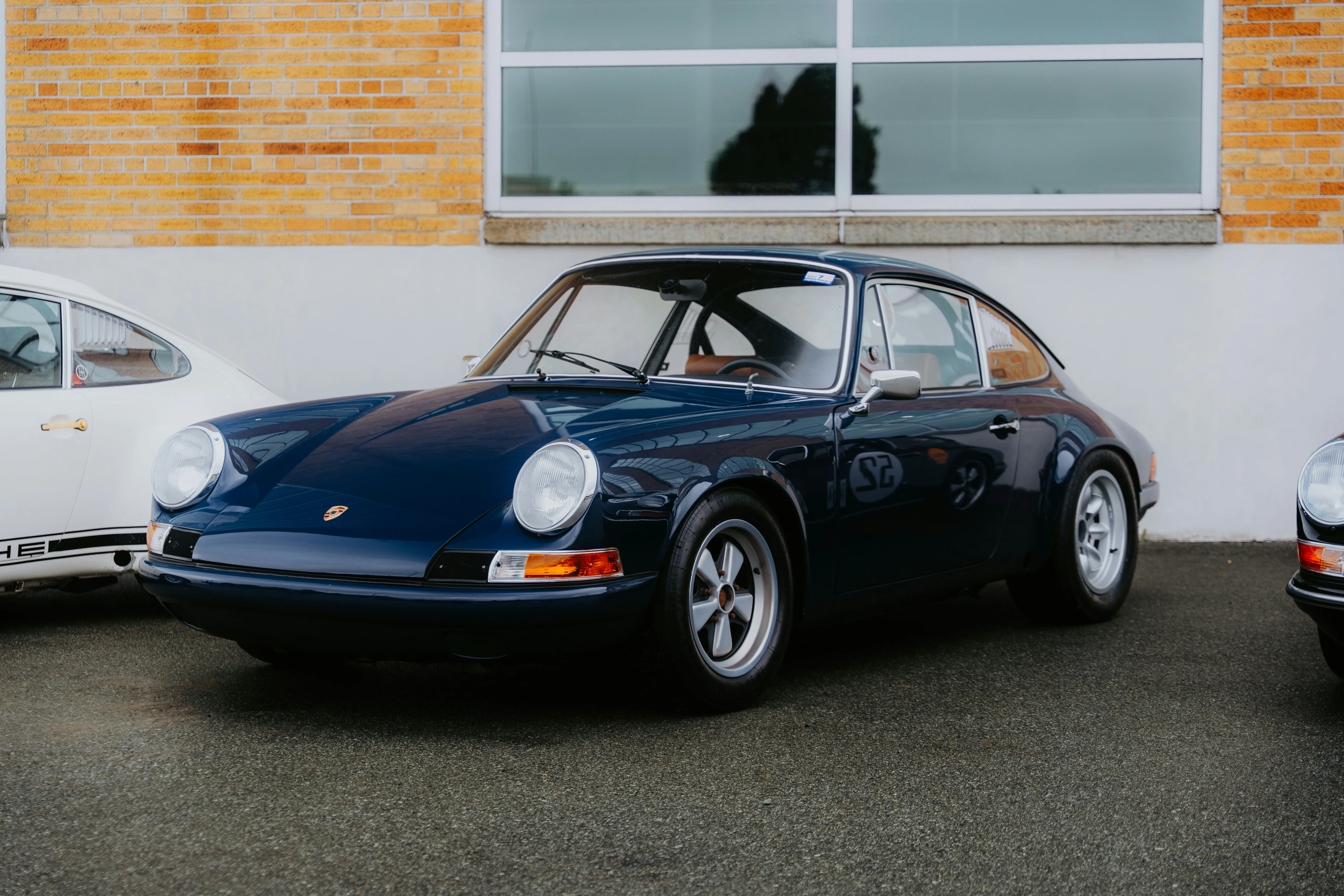
The legend begins. Originally called the 901, it was renamed 911 due to a trademark dispute. Designed by Ferdinand "Butzi" Porsche, it featured the iconic silhouette with round headlights and a 2.0L flat-six engine producing 130 hp.
The longest-running generation introduced the iconic impact bumpers and the legendary 930 Turbo. The Carrera name returned, and various body styles including the Targa and Cabriolet joined the lineup.
The first major redesign brought modern technology while retaining the classic look. 85% of the car was new, introducing all-wheel drive with the Carrera 4, ABS, and power steering.
Considered by many as the most beautiful 911, the 993 was the last air-cooled model. It featured a completely redesigned body with integrated bumpers and a multi-link rear suspension.
The 997 brought back the round headlights, reconnecting with the 911's heritage while introducing modern technology. This generation refined the water-cooled formula with improved handling, more power, and the introduction of PDK dual-clutch transmission.
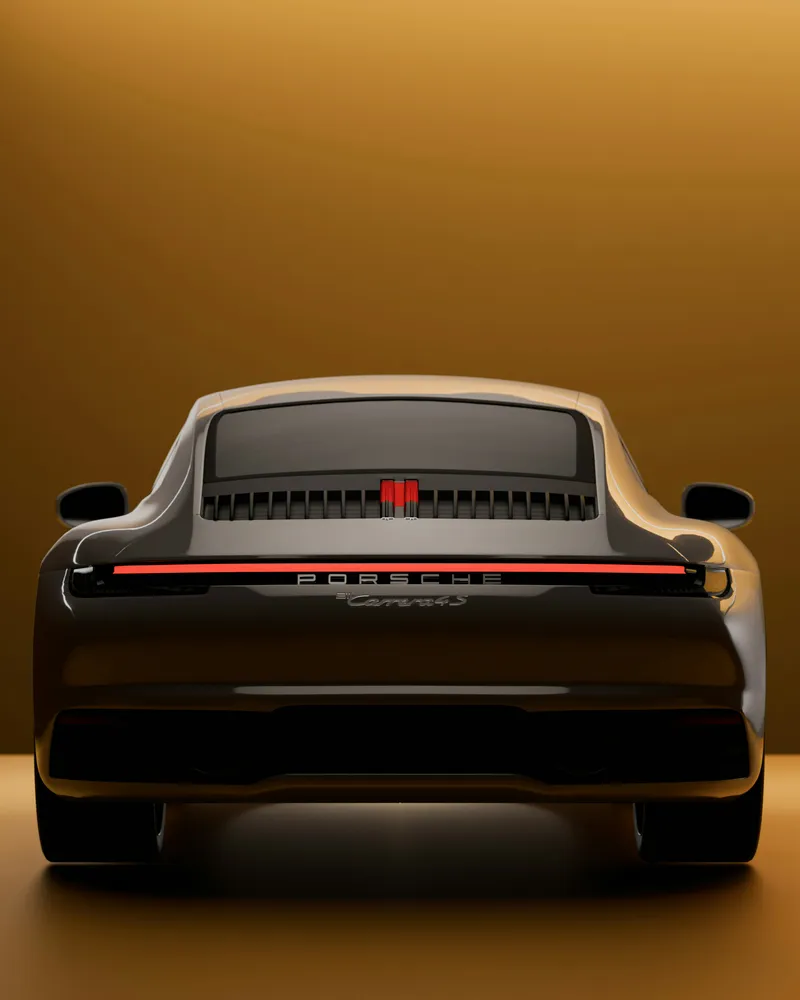
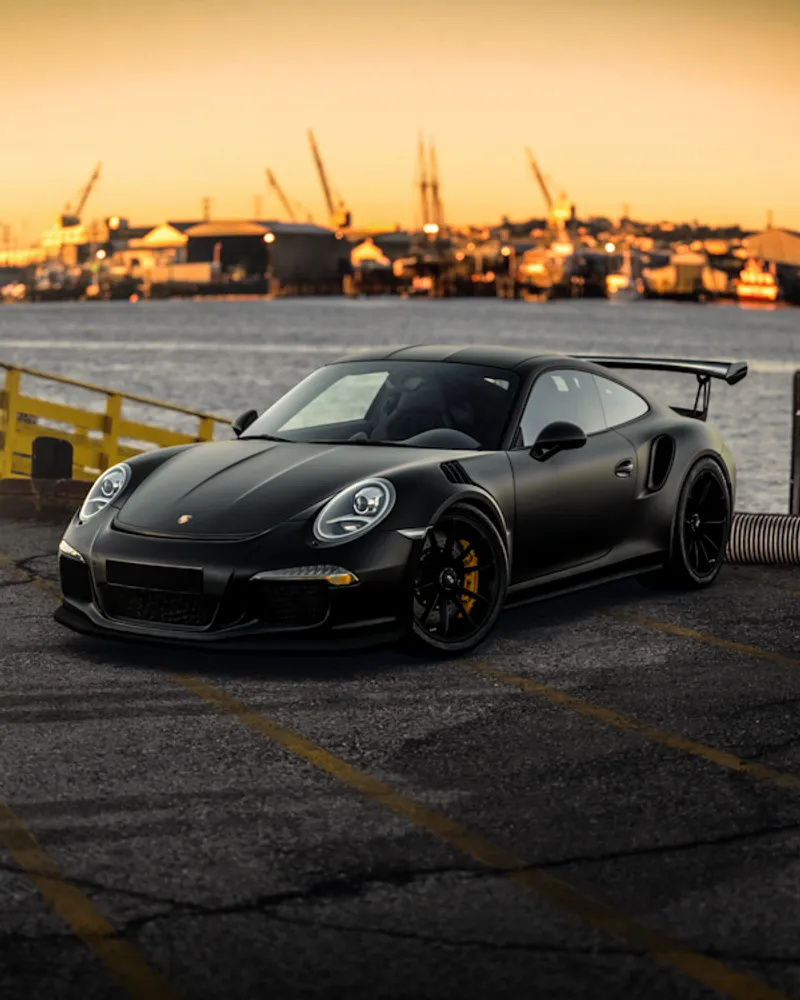
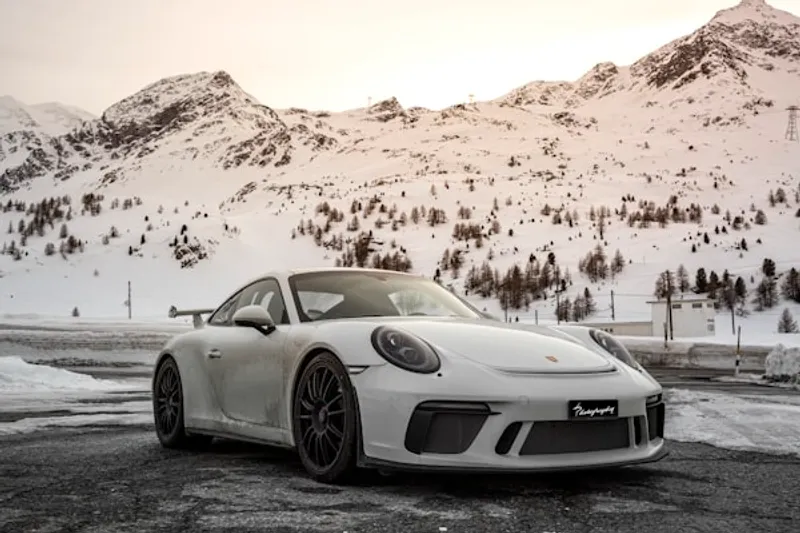
The 991 marked a significant leap with a longer wheelbase, wider track, and revolutionary turbocharged engines across the range. With advanced electronics, active aerodynamics, and stunning performance, it redefined the modern sports car.
Porsche's most iconic and collectible 911 variants emerged from these two defining decades. From homologation racers to factory customs, these special editions are now among the most sought-after classics in the world. Values below are Hagerty #3 ("Good") condition estimates.
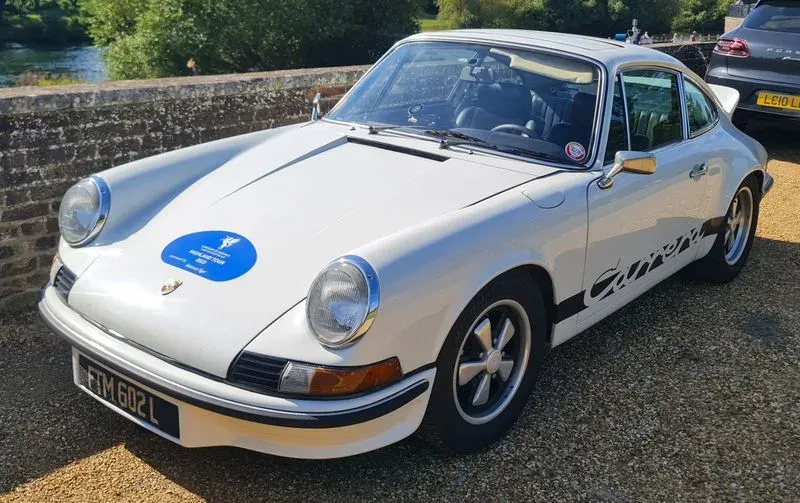
Built to meet FIA GT racing requirements, Porsche needed at least 500 road cars — they sold 1,580. The RS (Rennsport) used a 2.7L flat-six making 210 hp and introduced the legendary "duck-tail" spoiler. Available in Sport Lightweight and Touring trim, it's now considered the holy grail of air-cooled 911s.
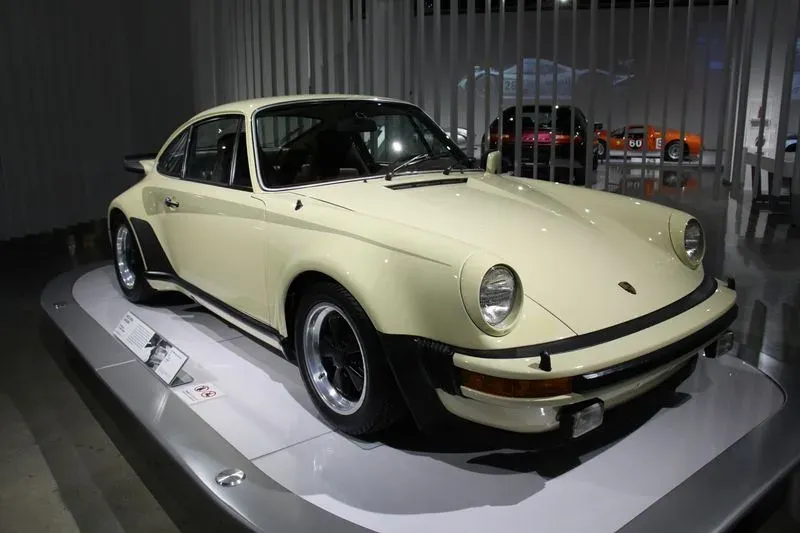
The original 911 Turbo arrived in the US in 1976 and rewrote the rules of performance. While everything else in the malaise era struggled to reach 60 mph in under 8 seconds, the 930 hit it in under 5. The iconic flared fenders and "whale-tail" spoiler warned slower traffic to move aside. Its brutal turbo lag earned it the nickname "The Widowmaker."
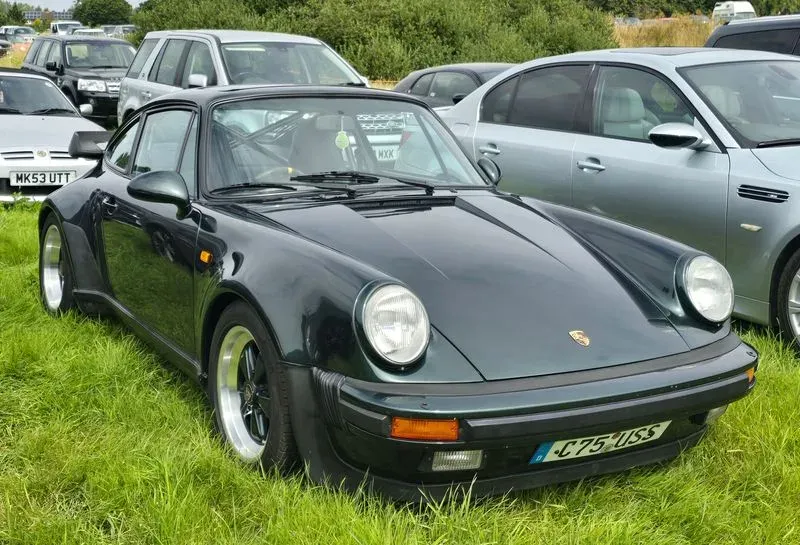
For 1978 Porsche enlarged the 930's engine to 3.3 liters and added an intercooler, boosting output to 300 hp. This made an already fearsome machine even more potent. Porsche pulled the 930 from the US market in 1980 due to emissions regulations — returning only in 1986 — making 1978–79 US-spec cars particularly desirable.
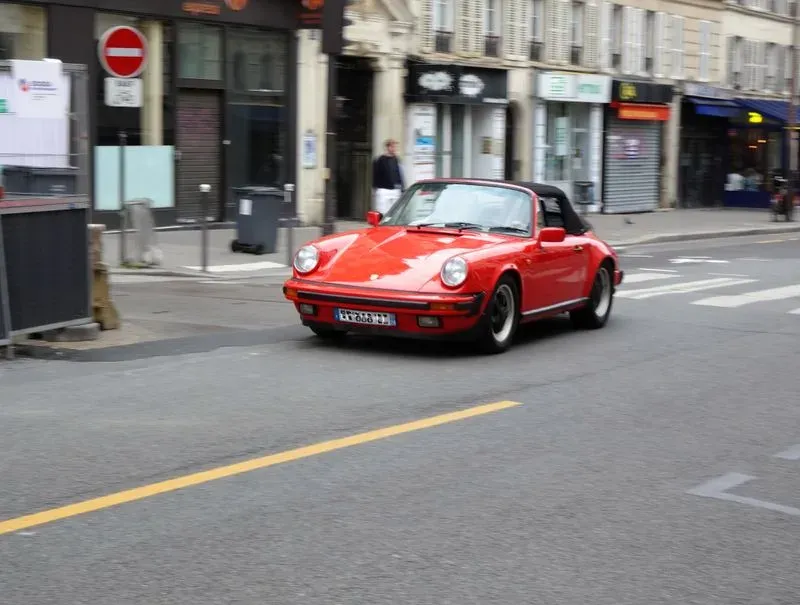
The 1983 911 SC Cabriolet holds the distinction of being the first open-top 911 ever produced — the first Porsche convertible since the 356 of the 1960s. Only 4,214 were built in a single model year. The SC's 3.0L engine was renowned for its durability, capable of 300,000 miles between rebuilds. Today, good original examples are increasingly hard to find.
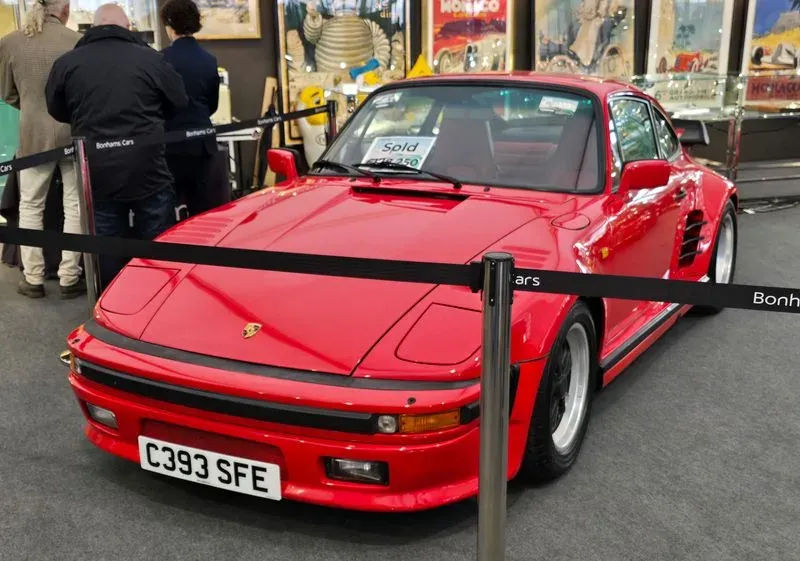
Inspired by the Le Mans-winning Porsche 935 race car, the Flachbau (flat nose) was offered as a factory special order through Porsche's exclusive Sonderwunsch program. Pop-up headlights replaced the classic round units, integrated into flush-mounted front fenders. The US-market M505 option cost $23,244 extra — roughly 50% of the base car's price. Only 948 were ever built.
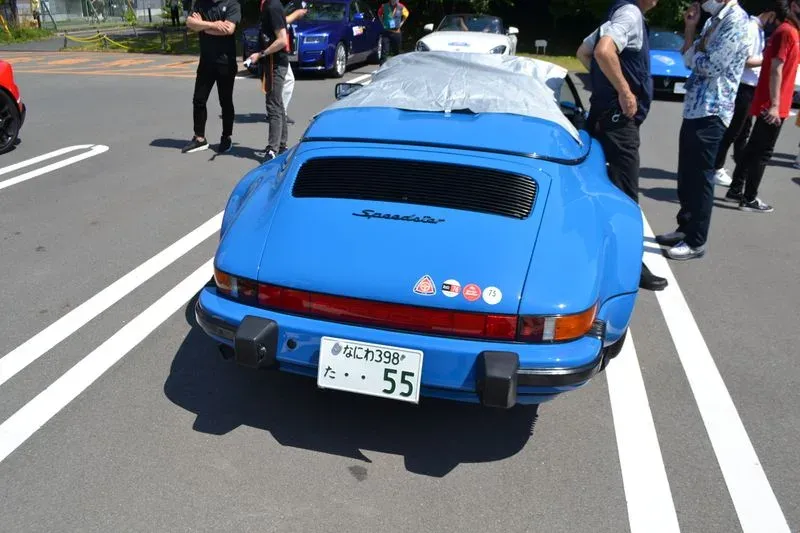
Introduced as a farewell to the G-series 911, the Speedster revived a legendary name from the 356 era. Built on the wide-body Turbo bodyshell without the whale tail, it featured a dramatically raked windshield (3 inches lower, angled 5° more) and the iconic twin-hump fiberglass tonneau cover. Most of the 2,065 examples went straight into private collections — the ultimate send-off for an era.
Values shown reflect the Hagerty #3 ("Good") condition estimate — a clean, well-maintained driver-quality example. Concours (#1) and Excellent (#2) condition cars command significantly higher prices. Values are sourced from the Hagerty Valuation Tools and are for informational purposes only. Market conditions and individual car specifications will affect actual sale prices.
The transition to water cooling with the 996 in 1997 marked a new chapter. Each subsequent generation has pushed performance and technology forward while honoring the 911's heritage. Today's 992 generation continues this legacy with hybrid powertrains and cutting-edge technology.
The 911's success on the track has been instrumental in shaping its road car evolution
Multiple overall victories at the 24 Hours of Le Mans, cementing the 911's endurance racing legacy.
Dominated rally championships in the 1960s and 70s, proving its versatility and durability.
Continues to dominate GT racing worldwide with RSR and GT3 variants winning championships.